
In the pursuit of gender equality and empowering women in leadership roles, it is essential to recognize and address the various forms of discrimination they face.
While gender bias and sexism are well-known challenges, ageism is another form of bias that often goes unnoticed. Women in leadership positions encounter ageism at every stage of their careers, irrespective of their age.

Getty/ Forbes | 72 percent of women within the 45 to 74 age range believe ageism is a problem at work
Ageism in Hiring and Promotions
Ageism often becomes apparent during the hiring process and promotions. Women perceived as too young may face skepticism regarding their experience and leadership capability.
On the other hand, as women progress in their careers and reach middle age or beyond, they may encounter ageism from employers who perceive them as too old or outdated for certain roles. These biases hinder women's advancement opportunities, depriving organizations of valuable talent and diverse perspectives.
Stereotypes and Preconceived Notions
Society perpetuates stereotypes about women as they age, undermining their competence, adaptability, and ability to lead effectively. These stereotypes portray older women as less innovative, tech-savvy, and capable of handling high-pressure situations.
Such preconceived notions limit opportunities for women to showcase their skills and potential, creating barriers to their professional growth.
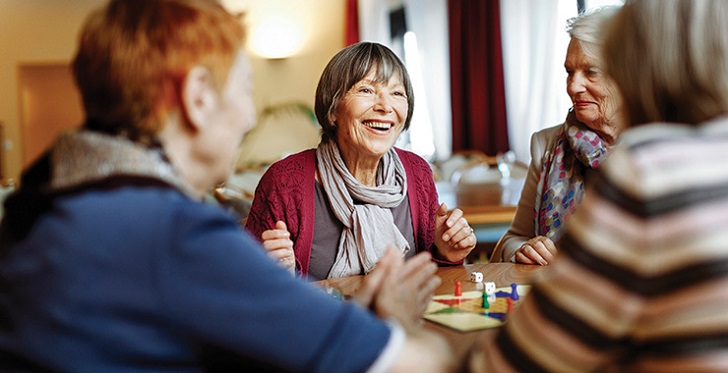
Kirsten Weir/ APA | There is a growing movement to challenge ageism and empower older women
Unequal Access to Training and Development
Ageism also manifests in unequal access to training and development opportunities. Older women are often overlooked for skill-building initiatives, mentorship programs, and leadership training. This exclusion perpetuates the cycle of ageism, hindering their ability to acquire new skills and remain competitive in a rapidly evolving professional landscape.
Glass Ceiling and Invisible Barrier
Ageism contributes to a "gray ceiling" that prevents older women from reaching the highest levels of leadership within organizations. While the glass ceiling is a well-known barrier for women, the gray ceiling further exacerbates older women's challenges.
They may find themselves stuck in middle management positions, unable to break through to executive roles due to ageist assumptions about their abilities and relevance.
Impact on Confidence and Career Trajectories
Constant exposure to ageism takes a toll on women's confidence and affects their career trajectories. The fear of being perceived as too young or old creates a sense of self-doubt, leading to hesitation when pursuing new opportunities or advocating for oneself.
This lack of confidence can hinder career progression, depriving organizations of potential leaders who could contribute significantly to their success.

Getty Images/ iStockphoto | Older women encounter significant barriers in the workplace
Value of Experience Ignored
One of the ironies of ageism is that it disregards the valuable experience and wisdom that older women bring to leadership positions. Their years of expertise, problem-solving skills, and resilience are often overlooked or undervalued. By discounting their experience, organizations miss out on the wealth of knowledge that can contribute to better decision-making and organizational outcomes.
The Need for Change and Equal Opportunities
A collective effort is required to overcome ageism and support women in leadership. Organizations must create inclusive cultures that value diverse perspectives and challenge ageist assumptions. Leadership development programs should be accessible to women of all ages, allowing them to grow and evolve professionally continuously.
Additionally, mentorship and sponsorship initiatives should promote women's advancement at all stages of their careers. Addressing ageism in society at large is crucial as well.
This can be achieved through education, raising awareness about ageist biases, and promoting intergenerational collaboration. Encouraging conversations around age diversity and challenging stereotypes will help foster a more inclusive and equitable environment for women in leadership.