
Crude oil prices edged higher as investors digested mounting geopolitical tensions and the U.S.’s attempts to influence Venezuela’s output. West Texas Intermediate (WTI) jumped 3.2%, finishing just below $58 per barrel, and continued gaining over 1% in after-hours trading. The moves suggest the market could recover some of the losses seen earlier in the week, driven by concerns over supply and strategic positioning by traders.
The unrest in Iran added to the upward pressure on prices. President Donald Trump signaled a strong response if Iranian authorities harm protesters, amplifying worries that any disruption in Iranian oil production could tighten global supply. Even the possibility of reduced output has traders on alert in a market already facing uncertainty.
At the same time, commodity index rebalancing this time of year is expected to direct additional cash into crude markets. Traders have also strengthened call skews for Brent crude, indicating increased hedging activity in the options market.
Data from Kpler’s Bridgeton Research shows trend-following commodity trading advisers were 91% short in WTI heading into the day. This positioning can accelerate price moves if traders rush to cover shorts after any spike, adding another layer of market volatility.
U.S. Moves to Influence Venezuelan Oil
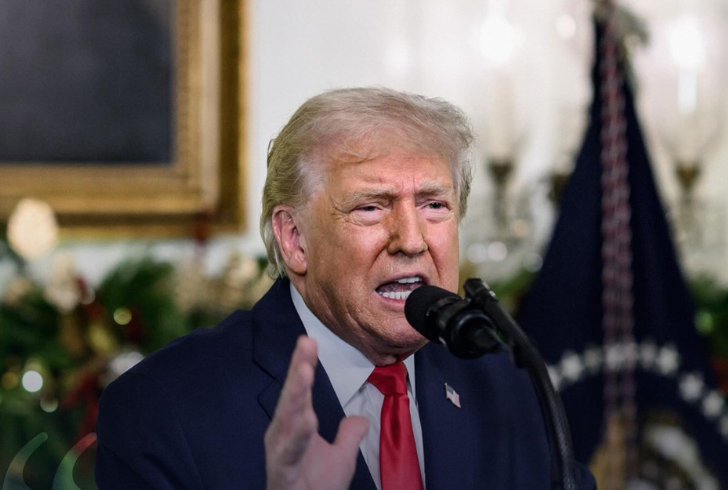
Instagram | realdonaldtrump | Trump warns Iran against harming protesters as oil markets face supply risks.
The U.S. has been actively assessing ways to exert control over Venezuela’s oil sector. Energy Secretary Chris Wright confirmed that the U.S. plans to regulate sales of Venezuelan crude, initially offering barrels already in storage. The Department of Energy reported that these barrels were already being marketed.
State-owned Petroleos de Venezuela SA is negotiating with Washington to sell crude under a framework similar to its existing arrangement with Chevron Corp., the only supermajor currently operating in the country. President Trump told the New York Times that U.S. oversight could last years, noting, “the oil will take a while.”
Amrita Sen, co-founder and director of research at Energy Aspects, explained on Bloomberg Television that the main effect will be a shift in trade flows. “You’re going to see more oil go to the U.S. at the expense of China, but not necessarily significant increases in Venezuelan production,” she said.
Recent Updates in Venezuelan Oil
Several U.S. companies are exploring opportunities in Venezuela as sanctions ease and regulatory structures are negotiated.
Citgo Petroleum Corp., indirectly owned by Venezuela, may resume purchases for the first time since sanctions halted its supply in 2019. Trafigura Group has expressed interest, and Chevron is negotiating to extend its license to operate in the country. Vitol Group reportedly received a preliminary U.S. license to engage in oil transactions.
Executives from ConocoPhillips, Exxon Mobil Corp., and other U.S. oil companies are also evaluating roles in revitalizing Venezuela’s energy industry, according to Secretary Wright. President Trump announced that Venezuela could transfer up to 50 million barrels to the U.S., valued at over $2 billion. Proceeds from these cargoes will be deposited into U.S. Treasury accounts to benefit both countries.
China remains a major buyer of Venezuelan oil, which has been heavily discounted under U.S. sanctions. Wright confirmed that China will continue purchasing Venezuelan crude, ensuring ongoing trade despite U.S. oversight.
Market Implications and Outlook

Instagram | republicworld | Iran and Venezuela tensions push oil prices higher as traders brace for quick shifts.
The combination of Iran-related geopolitical risks and U.S. intervention in Venezuela has created upward pressure on oil prices. Short positions in WTI suggest traders are poised to react quickly to price changes, while rebalancing of commodity indices could inject additional liquidity into the market. Meanwhile, changes in Venezuelan trade flows may redirect crude to the U.S., potentially reducing supplies to other global buyers, such as China.
These developments highlight the complex interplay between geopolitical events, trading behavior, and strategic oil management. Market participants will likely continue to closely monitor these factors, as they influence price volatility and investment strategies.
Oil prices reflect a combination of global political tensions and strategic supply management. Iran unrest, U.S. oversight of Venezuelan oil, and shifting trade flows have created conditions for sudden market movements.
Traders, investors, and energy companies will need to watch short-covering trends, index rebalancing, and international negotiations for indications of future price direction.