
Playtime with dolls has always meant more than colorful outfits and dream houses. It shapes imagination, builds confidence, and encourages children to think beyond limits. For decades, Barbie has stood at the center of this idea—showing girls that their future can take many forms.
That belief continues to guide Mattel’s approach, both in its products and its workplace culture.
Since its founding in 1945, Mattel has created toys that go beyond entertainment. Brands like Hot Wheels, Fisher-Price, American Girl, Monster High, UNO, Matchbox, and Polly Pocket have helped generations of children explore creativity with purpose.
Barbie, introduced in the late 1950s, remains a cultural icon. According to Jamie Cygielman, Head of Dolls and President of American Girl, the brand has always focused on showing girls their unlimited potential. Through characters like Doctor Barbie, Astronaut Barbie, Rockstar Barbie, and Teacher Barbie, children are exposed to a wide range of possibilities early in life.
Cygielman’s connection to Barbie started in childhood. She received hand-me-down dolls from older cousins and used them to create stories, design clothes, and stage fashion shows. Those early experiences shaped her understanding of storytelling and imagination—skills now central to her leadership role.
Interestingly, she never expected to return to Mattel. After first joining in 1999 as Vice President of Barbie Marketing Worldwide, she stepped away and later returned two decades later, bringing both personal and professional insight into the brand’s future.
Reimagining Play for a New Generation
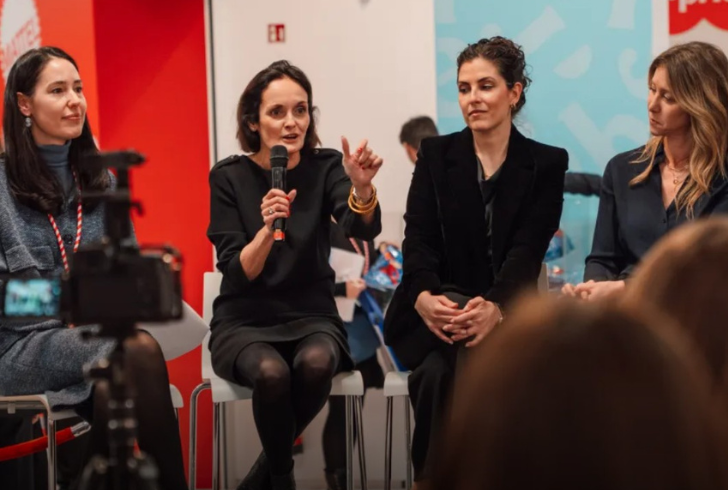
Instagram | mattel | Cygielman maintains brand resonance by synthesizing ephemeral culture with perennial human experiences.
Mattel continues to adapt its legacy brands while holding onto their core identity. This balance plays a key role in keeping products relevant.
Cygielman highlights that while trends and culture shift over time, the core aspects of girlhood remain steady. That idea drives how Mattel updates its dolls and storytelling approach. The goal is simple—stay relatable without losing the original purpose.
The success of the movie "Barbie" also renewed global attention on the brand, reinforcing its cultural relevance after nearly 65 years.
Workplace Designed for Growth and Inclusion
Mattel’s internal culture mirrors the values seen in its products. The company earned a spot on Newsweek’s America’s Greatest Workplaces for Women 2026 list, based on feedback from over 89,000 female employees and more than one million company reviews.
Employees assessed several aspects of their experience at the company, including mental well-being, work-life balance, opportunities for career growth, compensation and benefits, the overall workplace environment, and the sense of inclusion and belonging.
Karen Ancira, Executive Vice President and Chief People Officer, explains that the company’s culture is built on three core principles: collaboration, innovation, and execution. These values shape how teams work together and how individuals grow within the company.
Mattel encourages employees to bring their authentic selves to work. This approach creates stronger engagement and leads to better outcomes across teams.
Benefits That Support Real-Life Needs
Mattel presents itself as a family-friendly workplace, offering policies that support employees throughout different stages of life. The company provides unlimited paid time off, paid parental leave, and flexible work schedules to help maintain work-life balance.
Additional benefits include student loan assistance, adoption support, infertility treatment coverage, and on-site childcare, all designed to help employees focus on their careers while managing personal and family needs.
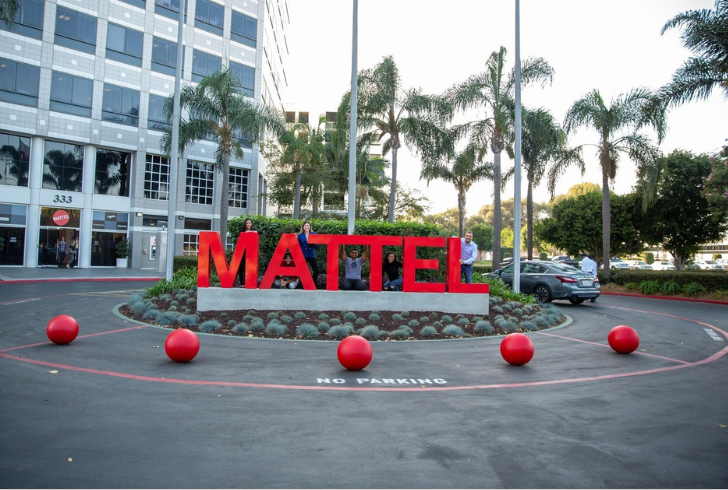
Instagram | mattelcareers | Mattel supports lifelong employee well-being with flexible schedules and unlimited paid leave.
These offerings allow employees to focus on their responsibilities without added personal stress. Ancira emphasizes that when families are supported, employees can perform at their best.
The company invests in professional development through structured mentorship programs and Employee Resource Groups. These initiatives create clear pathways for networking, learning, and leadership growth.
Mattel has also achieved 100 percent pay parity between male and female employees. Across its global workforce, approximately 55 percent of employees are women. This balance reflects a broader commitment to representation and fairness.
Diversity Reflected in Products
Mattel’s focus on inclusion is visible in its product lines. The Barbie Fashionistas collection, launched a decade ago, was designed to reflect real-world diversity. The line includes dolls with varied body types, skin tones, and hair textures, allowing children to see themselves represented.
Cygielman describes these dolls as both mirrors and windows. They help children recognize their own identity while also introducing them to different perspectives.
The collection now includes dolls equipped with wheelchairs, prosthetic limbs, and hearing aids, reflecting a broader range of abilities and promoting inclusivity in play.
A recent addition includes the first Barbie with autism. This doll features noise-canceling headphones, a fidget spinner, and sensory-friendly clothing. It was developed in collaboration with the Autistic Self Advocacy Network (ASAN) to ensure accurate representation.
Keeping Classic Brands Relevant
Mattel continues to refresh its legacy brands while keeping their identity intact. American Girl recently celebrated its 40th anniversary with the launch of a Modern Era Collection, bringing classic characters into today’s world without losing the essence of their original stories.
The company also released a novel aimed at adult readers, following Samantha Parkington at age 25. This extension allows long-time fans to stay connected while introducing the character to a new audience.
At the center of these updates is storytelling, which continues to highlight literacy and imaginative play.
Adapting to the Digital World
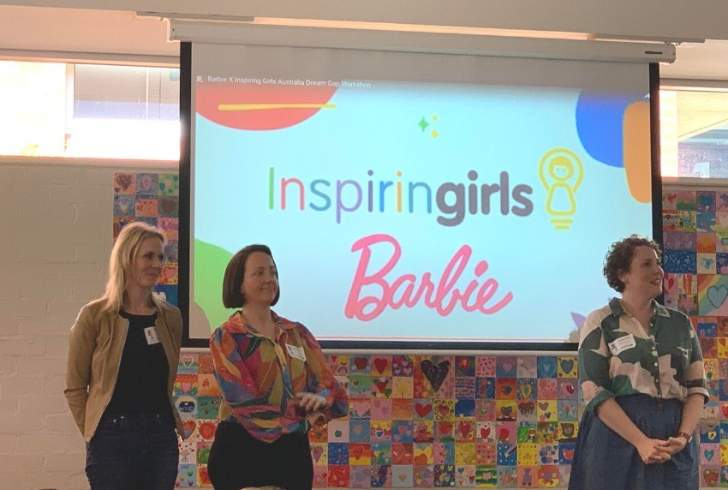
Instagram | inspiringgirlsaus | The Barbie Dream Gap Project encourages girls to challenge stereotypes and pursue their ambitions.
As digital entertainment grows, Mattel still emphasizes the importance of hands-on play. At the same time, it has expanded into digital spaces to stay relevant.
Recent collaborations include:
- Film tie-ins such as Wicked and K-Pop Demon Hunters
- Online games like Barbie DreamHouse Tycoon on Roblox
- A Fortnite partnership featuring Monster High
These initiatives combine traditional toys with digital experiences, creating new ways for children to connect with familiar characters.
Mattel also invests in social initiatives aimed at supporting young girls. Partnerships with organizations like Girls on the Run, Baby2Baby, and Inspiring Girls focus on education and confidence.
The Barbie Dream Gap Project stands out among these efforts. Developed with UCLA’s Center for Scholars and Storytellers, it addresses differences in self-confidence between boys and girls, encouraging girls to aim higher.
Leadership Role in Shaping Culture
Leadership plays an important role in maintaining direction across a global company. Ancira points out that while large organizations face pressure to move quickly, staying rooted in core values remains essential.
This approach helps employees feel supported while allowing the company to evolve. It also strengthens the link between internal culture and the messages reflected in its products.
By balancing tradition with thoughtful change, Mattel continues to promote creativity and inclusion. From its products to its workplace culture, the company reinforces a long-standing message—that opportunities are open to everyone.
Aligning values with brand identity allows Mattel to influence how future generations think, play, and grow.