
Public conversation around the economy took a sharp turn on Thursday night when “Late Night” host Seth Meyers openly challenged President Donald Trump’s claims about prices, inflation, and wages.
The segment cut through political talking points with humor and pointed criticism, highlighting why many Americans feel disconnected from the upbeat economic picture Trump continues to describe.
Seth Meyers Pushes Back on Economic Claims
During the show, Meyers responded to Trump’s repeated assertions that prices are dropping, inflation is being “crushed,” and Americans are enjoying “bigger paychecks.” The claims, often echoed at rallies, were met with skepticism and satire.
Meyers framed the issue in everyday terms, suggesting that if Trump’s version of the economy were accurate, families might expect small but meaningful relief. He joked that parents could finally afford basic school supplies, before undercutting that idea with a sharp punchline.
“If Trump is right and prices are coming down and you’re getting higher paychecks, you’re probably thinking, ‘All right, I can buy my kids all the pencils they want this Christmas.’ Well, think again, *******!” Meyers said.
The line drew laughter, but it also underscored a larger point about how disconnected political messaging can feel from daily expenses.
Trump’s Rally Remarks Spark Debate
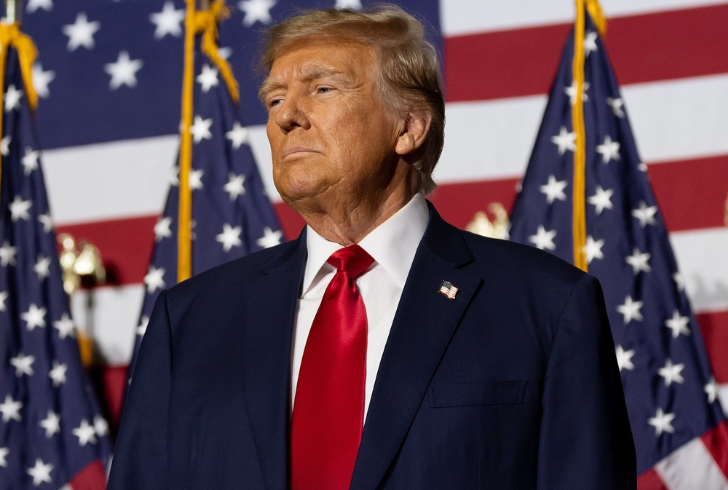
Instagram | realdonaldtrump | Trump advised families to lower consumption expectations for items like toys.
The comments followed an “affordability”-themed rally earlier in the week, where Trump suggested Americans should adjust expectations around consumer goods. He specifically referenced pencils and toys, arguing that children do not need as many products as they currently have.
“Under the China policy, every child can get 37 pencils. They only need one or two, you know. They don’t need that many,” Trump said. “But you always need, you always need steel. You don’t need 37 dolls for your daughter. Two or three is nice. You don’t need 37 dolls.”
The remarks quickly circulated online, prompting questions about both their accuracy and their tone. While Trump framed the comments as practical budgeting advice, critics viewed them as dismissive of real household pressures.
“A Lot to Unpack,” According to Meyers
Back on “Late Night,” Meyers acknowledged that the comments opened the door to several concerns, both serious and absurd.
“There’s a lot to unpack,” Meyers said, before adding, “Not a lot to unwrap, mind you, because it sounds like Christmas is going to suck this year.”
He briefly conceded that cutting back on non-essential purchases can help manage a household budget. Still, he challenged the logic behind the president’s examples, questioning how realistic they actually are.
“But, and I ask this with genuine curiosity, who the **** is buying 37 dolls? And since when does China have a 37 pencil policy?” Meyers asked.
The questions landed as a mix of humor and critique, highlighting how exaggerated figures can weaken an economic argument.
Accusations of Being Out of Touch

Instagram | themarysue | Meyers mocked Trump’s "buy less" advice by highlighting his own gold-filled decor.
Meyers did not stop at the numbers. He went on to describe Trump’s comments as disconnected from everyday life, especially when viewed alongside the former president’s own lifestyle.
“Trump’s lecturing everyone else on how they should buy less stuff, meanwhile he’s filled the Oval Office with so much gold it’s starting to look like the Egyptian wing at the Louvre,” Meyers said.
The comparison emphasized what many critics see as a gap between Trump’s messaging on sacrifice and his public image of excess.
Why the Segment Resonated
The moment struck a chord because it paired sharp comedy with concerns many families recognize. High prices, limited wage growth, and ongoing worries about affordability continue to shape daily decisions. Suggestions that cutting back on basic items is a solution often land as disconnected rather than helpful.
By pulling direct quotes into familiar, everyday scenarios, Meyers redirected the conversation away from polished economic claims and toward how those statements sound in real life.
The humor served a purpose, drawing attention to the distance between political messaging and household realities. In doing so, the segment reinforced broader questions about who bears the burden of economic pressure and how progress is defined.